
Updated October 27, 2026
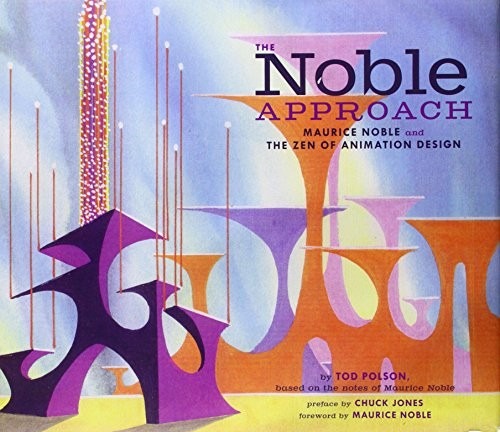
The Noble Approach is part biography, part design course. It tells the story of Maurice Noble’s career, and then teaches his step-by-step way of designing a film. It’s for anyone who designs backgrounds, layouts or motion, and for every animator who wants to understand why a scene works.
Maurice Noble pioneered a more abstract way of thinking in his background designs. He exaggerated objects to make scenes feel more dramatic or to help characters move through a scene. Not only does this book show his beautiful designs, it shows the thinking behind them. There is a very clear logic to his madness.
Maurice Noble designed the backgrounds for many of Chuck Jones’ best cartoons at Warner Bros., like Duck Dodgers in the 24½th Century and What’s Opera, Doc?. Later he worked on How the Grinch Stole Christmas!. The book was written by Tod Polson, based on Noble’s own notes.
A life in animation
The first part of the book is both a biography and a history of early animation. Noble studied at the Chouinard Art Institute, at the same time as Mary Blair, but had to quit to help his family financially. He went to work at Robinson’s department store, designing store displays, and stayed there until 1934. Then Disney hired him as a background artist, for $100 a month. There he worked on Snow White and the Seven Dwarfs, Pinocchio, Fantasia, Bambi and Dumbo. With Dumbo you can see him developing his own approach to design, in the Pink Elephants scene.
Then come the Disney strike, the war years and his start at Warner Bros., where he and Chuck Jones set a new design direction. The book also covers the artists who were blacklisted by the studios after testimony before the House Un-American Activities Committee. Those must have been some dark times.
Around 1951 Noble develops what became the Noble style. Its core principle is that the design should support the story. The biography ends with his years at MGM and his retirement, which he came out of more than once.
A guide to design for animation
The rest of the book is a practical guide, in the order Noble designed a film.
Getting started. First you figure out your limitations, and how to work within them. Mostly those are time and budget. What is expected? How much time is there to design the film, and how much for production? What is the budget? These are lessons I had to learn the hard way in my work as a motion designer.
Story. For Noble, the “writing” was in the drawing. They hardly ever used scripts, only a bare skeleton. A full script was seen as getting in the way of telling the story visually. The more a designer knows about the story, the better they can design it. He explains story beats and story elements: location, time, time of day, special sequences, props, mood and gags.
Research and inspiration. This chapter covers how to use reference, from photos to the art of others, always with the project in mind. When Noble started a new project, he cleared his desk so the references from the last one wouldn’t spill over.
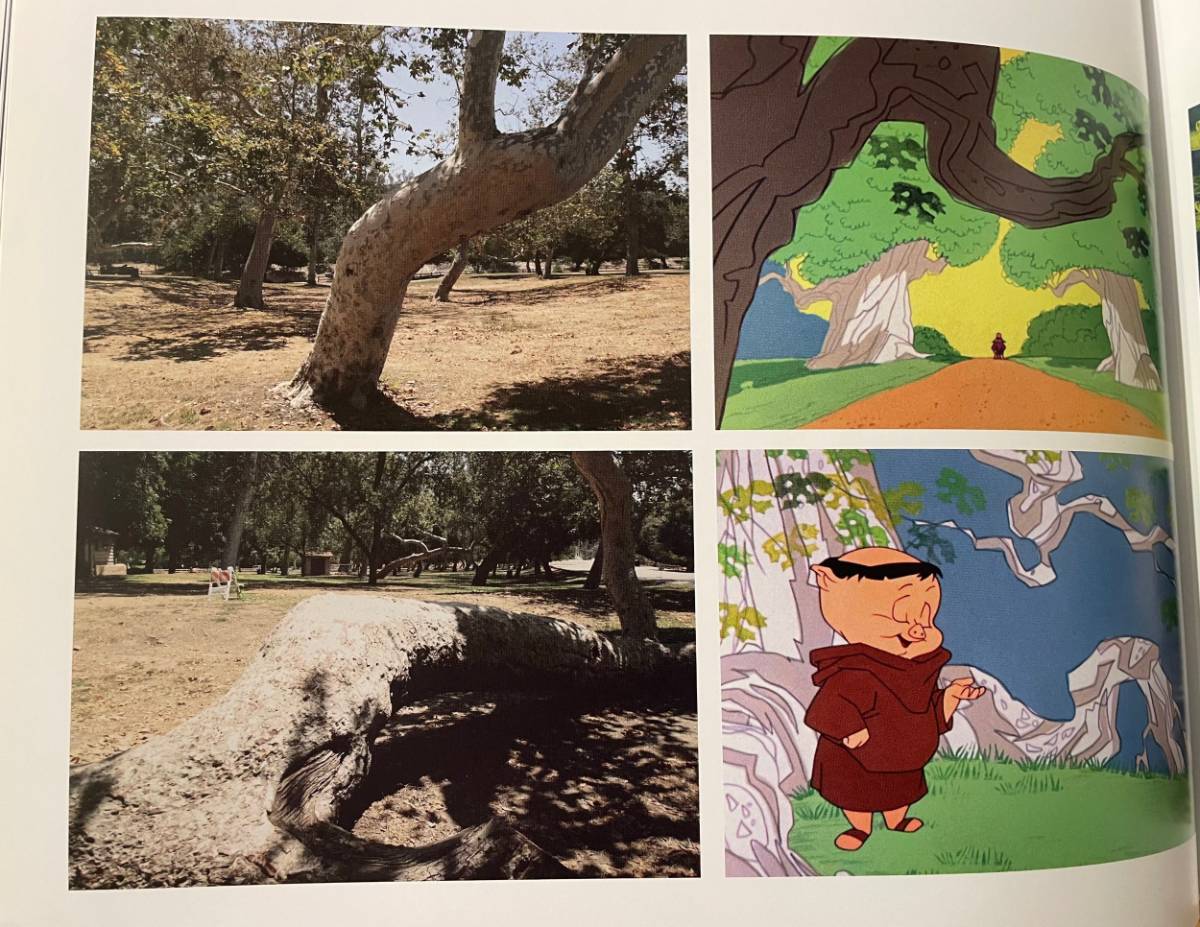
One idea I really like is his “visual memory”. Instead of copying reference directly, Noble collected impressions while traveling and looking at art. Years later he would draw a place from memory, keeping only the parts that stuck with him. That is exactly what makes his backgrounds feel so graphic and bold.

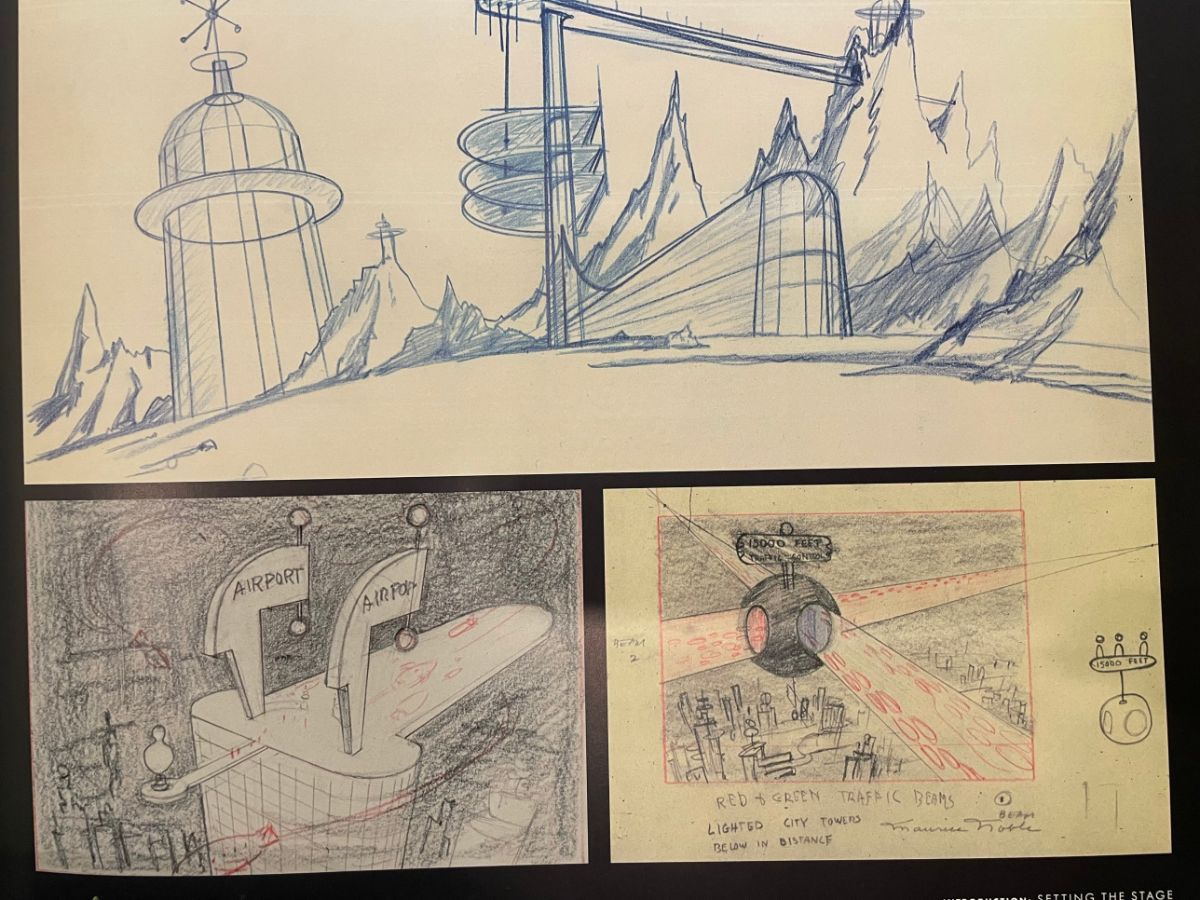
Design. Noble told his apprentices that a film designer’s job consists of two things: “supporting the story through design” and “staging the characters”. The chapter goes from thumbnailing lots and lots to working drawings, checking along the way whether the design still supports the story and the characters. Then comes value: light and dark, contrast, guiding the viewer’s eye, framing with light and simplifying elements. I really enjoy this chapter. It’s such a practical guide to design, and it keeps you checking whether the design still works for the story.
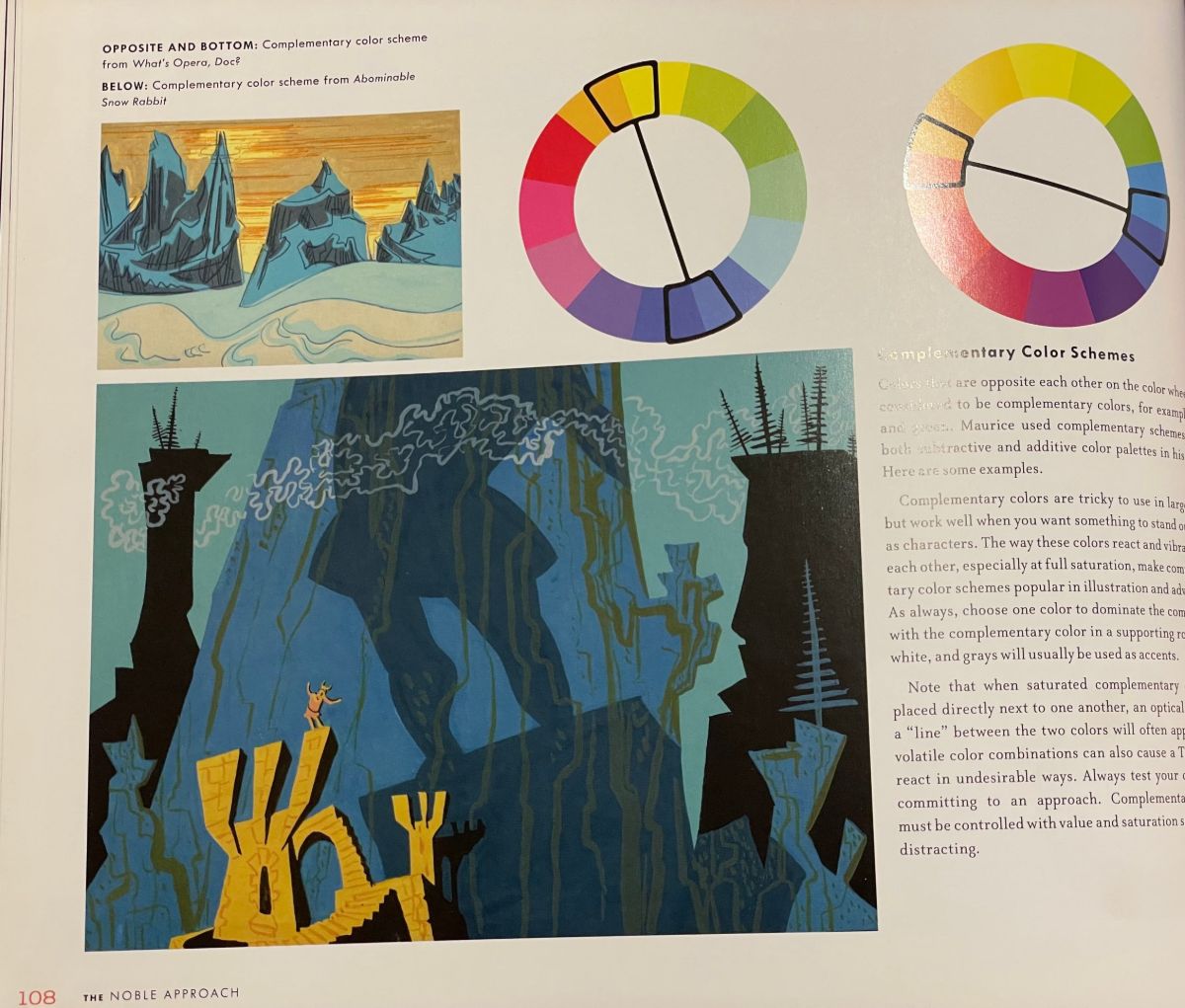
Color. This chapter covers what colors do for a scene, and how we perceive warm versus cool colors. Noble didn’t pick colors because they looked nice, but because they told you something about the mood. As a self-taught artist I had never really studied color theory, so these lessons felt new to me. It’s very cool how color can be used in an almost scientific way. I had often felt these things by intuition, but never seen them expressed so clearly in logical terms.
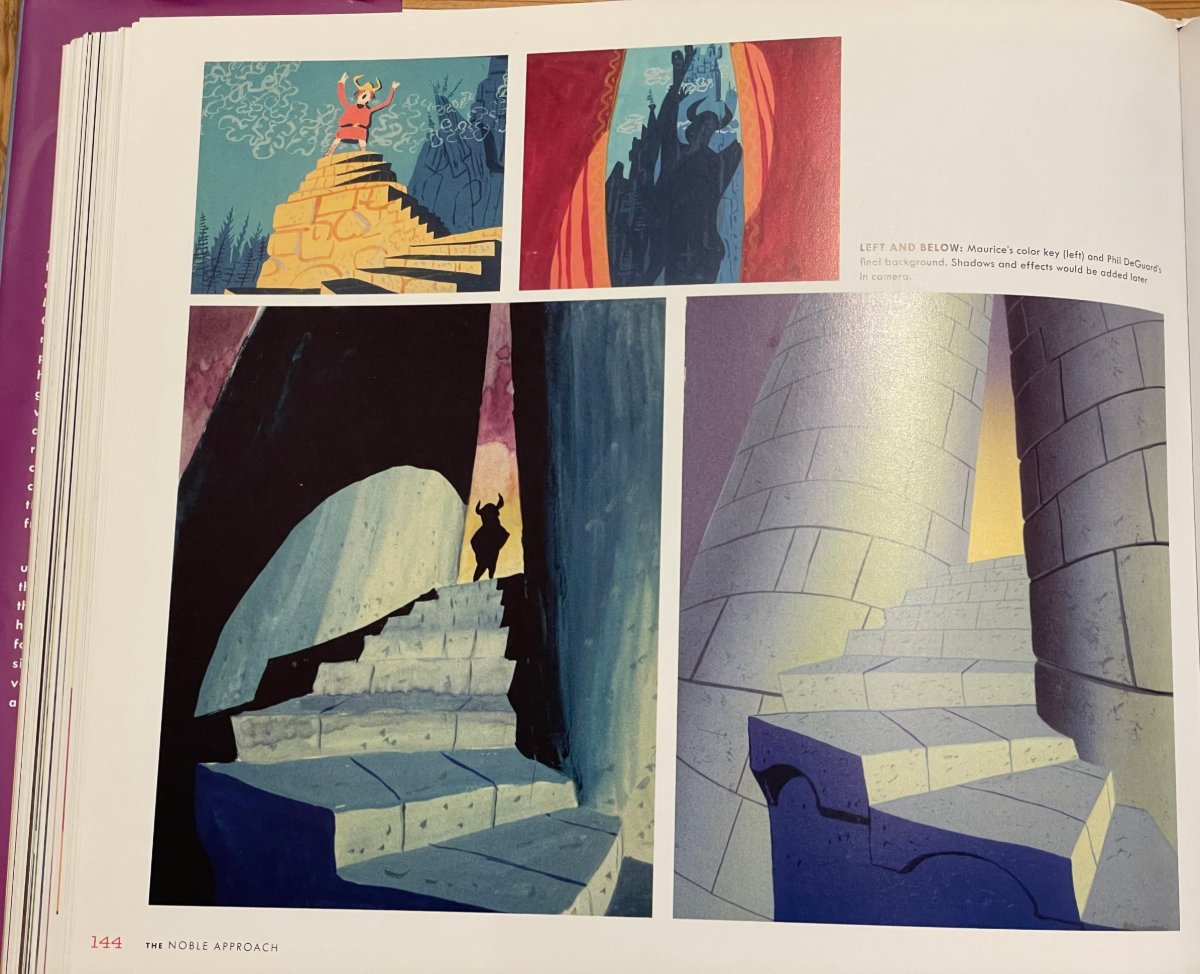
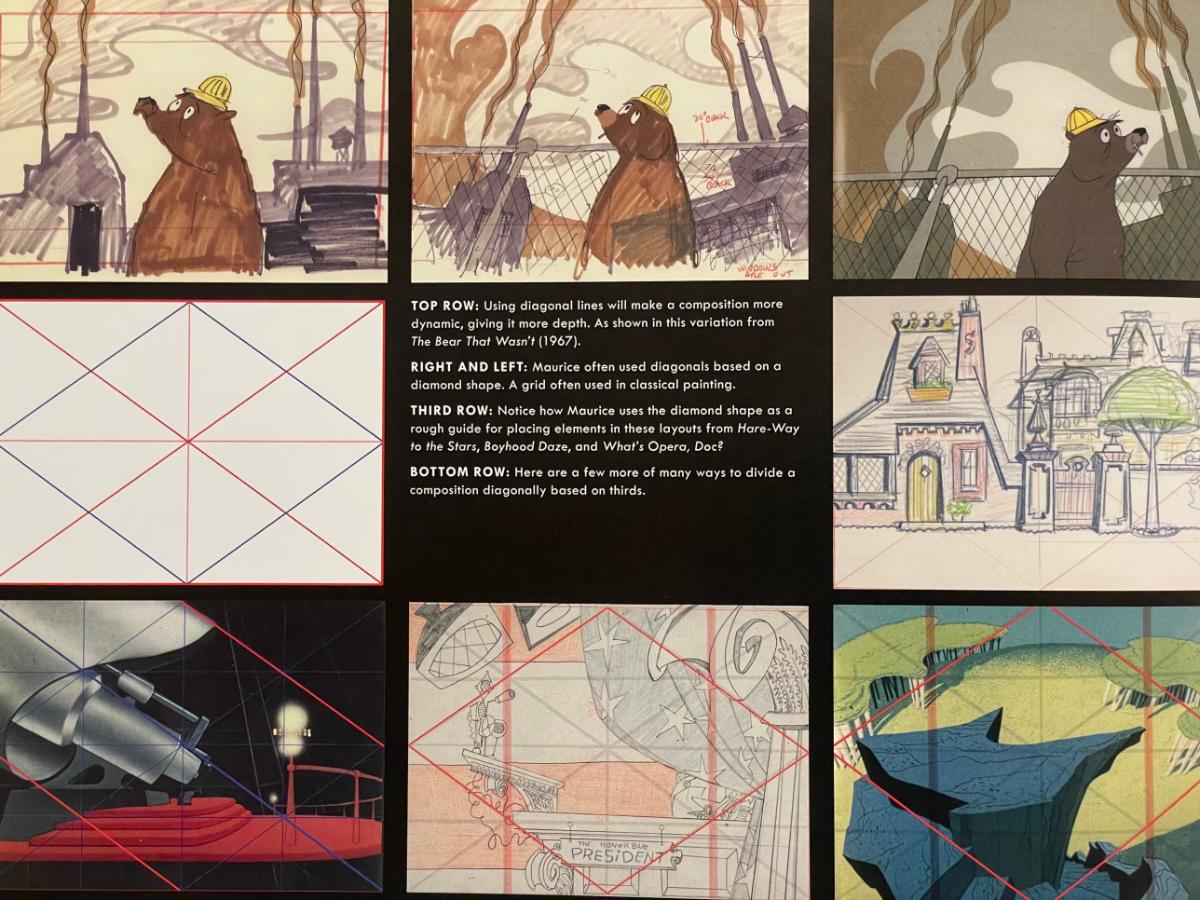
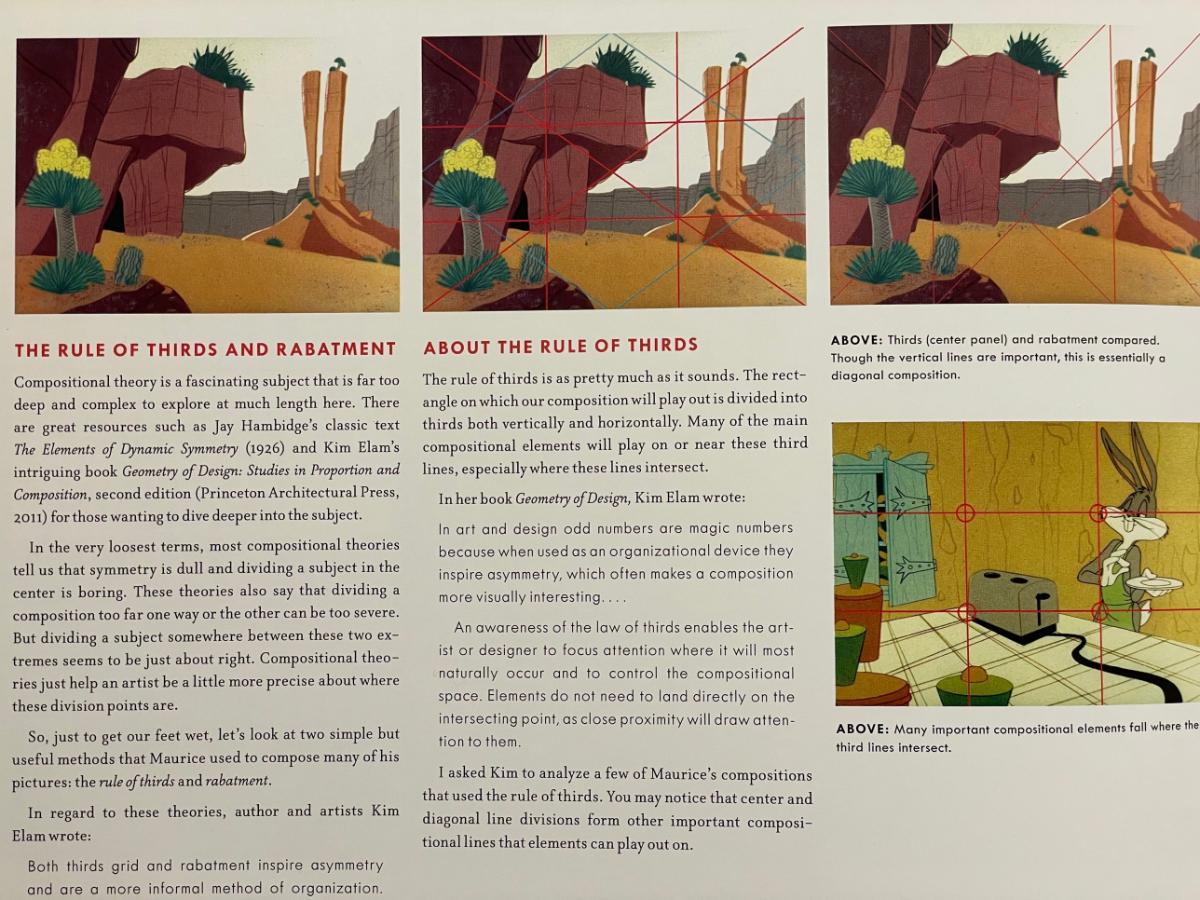
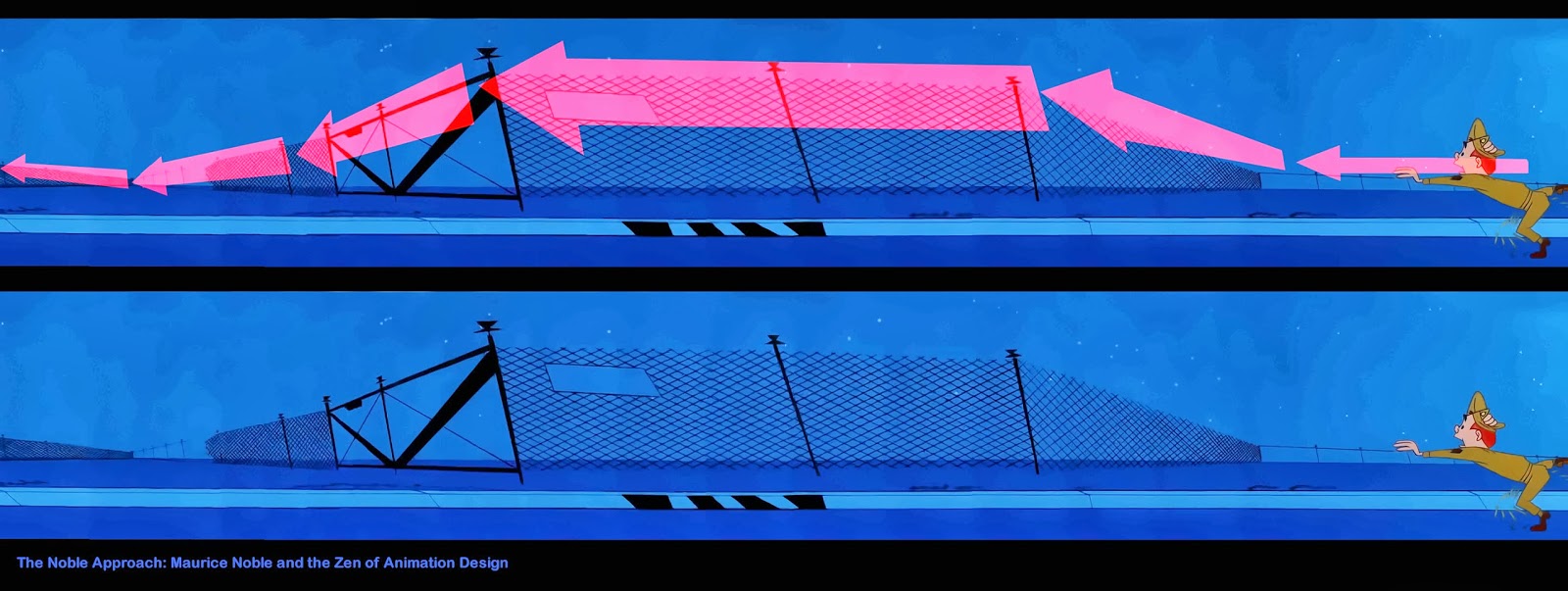
Layout. Character layouts are the rough key poses and expressions that guide the animation. Background layouts are rough pencil drawings that guide the background painter. Then he goes into composition: grids, horizontal, vertical and diagonal lines, rhythm and spacing, the rule of thirds, designing for a pan, framing a picture with elements and playing with perspective. Again, a great chapter. So much of my work has been intuition, a gut feeling for how a frame should look. Having all these elements grouped together so clearly makes for a great read, and it’s very inspiring.


Weak spots
It’s hard to point out any weak spots in this book. Every page is adorned with images, and still I wished there were more. I also miss a chronological list of all the films he worked on, and what he did on each. With a career this long, that would have been a great reference.
Who it’s for
If you design backgrounds, layouts or motion, this book will change how you look at them. But I feel it’s a must-have for any animator.
Verdict
All in all, this is a fascinating book. It’s an amazing piece of animation history plus a great practical guide, and it’s filled with the most beautiful sketches, pictures and guides. Every time I read it, I’m filled with a sense of awe and inspiration.
Related: if Noble’s way of thinking about space and design appeals to you, 101 Things I Learned in Architecture School is a small book of lessons on space, framing and drawing that works well for background and layout artists.

Get the book
The Noble Approach
Tod Polson · Chronicle Books
Maurice Noble’s life, and his step-by-step way of designing story, color and layout for animation.
Some links may be affiliate links. How that works.
Leave a Reply